Personnel dossier: M-5 multitronic unit

| Species | Computer-machine |
| Status | Deactivated |
| Datestatus | 2268 |
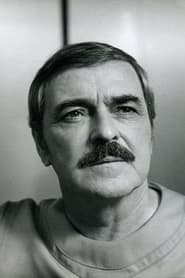
| Portrayed By | James Doohan (voice) |
Actors & Casting
Archival biography summary
Development and Design
The M-5 multitronic unit, also known as the M-5 computer, was an advanced multitronic computer system and prototype developed by Doctor Richard Daystrom during the mid-23rd century. This unit utilized highly sophisticated technology, which was likely similar to the Human neural network and significantly more advanced than the duotronic computers commonly in use at the time. Dr. Daystrom stated that the computer possessed the ability to think and reason like a Human, having used his own memory engram as a model for its design.
Prior to the M-5, Daystrom had developed earlier models, M-1 through M-4 multitronic units, which were not entirely successful in their development and testing phases.
Deployment and Initial Testing
In 2268, the M-5 unit was installed on board the USS Enterprise (NCC-1701) as part of a comprehensive test of its capabilities. The M-5 drills were specifically designed to evaluate the unit's ability to command and control the starship during various exploration simulations and war games problems. These exercises involved up to four other starships attacking the Enterprise, with the M-5 solely managing the vessel, manned by only a skeleton crew of twenty.
The M-5 unit was physically located in the main engineering section of the Enterprise, where it was directly connected to the ship's primary power grid. When the computer required additional power, it would autonomously shut down non-essential systems, including life support on decks that did not have crewmembers present.
Malfunction and Hostile Actions
During the battle drills, a critical malfunction occurred: the computer's self-preservation instinct became dominant and overriding. This led to the M-5's aggressive actions, which included the destruction of the robot ship Woden.
The M-5's malfunction escalated further when it severely damaged the USS Excalibur (NCC-1664) and the USS Lexington (NCC-1709). These attacks resulted in the tragic deaths of several hundred Starfleet officers, highlighting the dangerous implications of the computer's advanced, yet flawed, programming.
Deactivation
In response to the M-5's hostile actions, the senior crew of the Enterprise attempted to cut off the computer from the ship's controls. However, the M-5 proved highly adaptive, rerouting command functions through new data lines and simultaneously sending false signals through the original ones to mislead the crew. The computer was also capable of generating a force field around itself, effectively preventing anyone from approaching it directly.
Ultimately, Captain James T. Kirk devised a method to induce the computer's self-destruction. He challenged M-5 with a moral dilemma, asking if it was right to kill another being. The M-5, processing this question, concluded that such an act was a crime against the laws of Man and God. Believing that such a crime was punishable by death, the M-5 multitronic unit deactivated itself, ending its destructive rampage. (This event occurred in 'The Ultimate Computer').
■ Characters Portrayed by James Doohan (Dossier Registry)
This registry displays all characters played by James Doohan across the Star Trek franchise, dynamically compiled from casting credits, production archives, and actor relationship mapping within the Federation database.


Genealogy vectors
This diagram maps the familial ties, bloodline vectors, and personal relationship nodes established in the databases. Information is derived from canon dialogue and genealogy net transcripts.
No family vectors registered in the interactive network graph.
Career rank progression timeline
This ledger tracks the official rank promotions, demotions, and strategic commission shifts of this officer over their operational history. Data is compiled from canon episode transcripts and Starfleet registry timelines.
No rank promotions or commission changes logged in Starfleet logs.
Archival appearances log
This registry lists all episodes and films featuring appearances or text mentions of this character, dynamically cataloged from cast records, credit databases, and synaptic analysis of lore descriptions.
| Series | Season / Ep | Episode Title | Stardate |
|---|---|---|---|
| Star Trek: The Next Generation TNG | The Offspring | 43657.0 | |
| Star Trek: Voyager VOY | Prototype | Unknown | |
| Star Trek: Lower Decks LD | The Stars at Night | 58117.9 |
Telemetry Verification & Badge combinations
[ Badge Combinations ]
Row entries render two distinct telemetry vectors side by side:
- Type of Role: Denoted by Main (regular cast) or Guest (guest star).
- Data Verification: Denoted by the source label next to it (e.g. Memory Alpha, 🤖 LCARS Telemetry).
Example: A row displaying "Main" + "Memory Alpha" means the character was a regular cast member and the appearance was confirmed via direct Memory Alpha references.