Mission Briefing
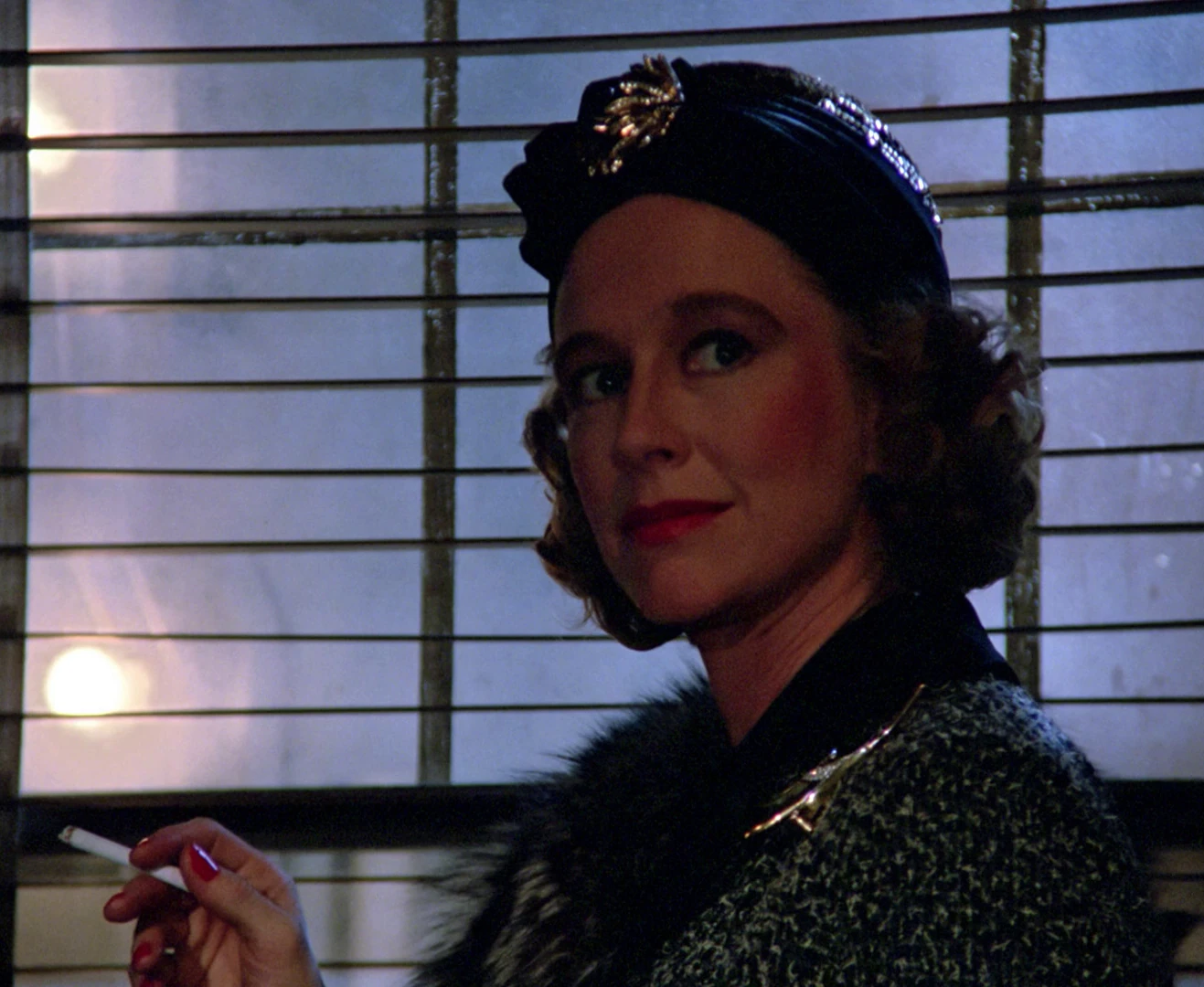
Starfleet Captain Jean-Luc Picard of the USS Enterprise NCC-1701-D faces immense pressure preparing for a critical diplomatic mission with the reclusive Jarada, known for their demanding and precise greetings. Seeking a much-needed break from his intense linguistic studies, Captain Picard decides to relax in the ship's newly upgraded Holodeck, immersing himself in a gritty 1940s San Francisco noir program, 'Dixon Hill, private detective.' He is soon joined by Doctor Beverly Crusher, Data, and the historian Whalen, all eager to experience the immersive historical recreation. However, their recreational escape quickly turns perilous when an unknown alien energy field disrupts the USS Enterprise NCC-1701-D's systems. This interference causes the Holodeck's safety protocols to mysteriously fail, transforming the seemingly harmless holographic characters into truly dangerous entities. Trapped within the simulation, Captain Picard and his companions discover they cannot exit the program, and their commands to the computer are ignored. As the crew on the bridge, led by Commander William T. Riker, races to understand and fix the malfunction, the situation inside the Holodeck grows increasingly dire, forcing Captain Picard and his team to confront the lethal reality of their predicament while the Jarada's diplomatic deadline looms.
LCARS Tactical Mission Registry: A detailed reconstruction of chronological events and narrative progression compiled from historical logs and mission briefs.
Jean-Luc Picard, Captain of the USS Enterprise NCC-1701-D, finds himself under considerable pressure preparing for a crucial diplomatic encounter with the reclusive and protocol-sensitive Jarada. The Jarada, an insect-like species, demand an extremely precise greeting, with even the slightest mispronunciation considered a grave insult, a fact emphasized by Counselor Deanna Troi and Commander William T. Riker. Seeking a much-needed diversion from the intense linguistic study, Jean-Luc Picard decides to immerse himself in the newly upgraded holodeck program, 'Dixon Hill, private detective,' a gritty 1940s San Francisco noir simulation. Initially, he enters alone, reveling in the flawless illusion and the seemingly real holographic characters. He is soon joined by Doctor Beverly Crusher, Data, and the twentieth-century historian, Whalen, all eager to experience the immersive historical recreation.
The recreational escape quickly turns perilous when an unknown alien energy field, later suspected to be a Jaradan probe, disrupts the USS Enterprise NCC-1701-D's systems. This interference causes the holodeck's safety protocols to fail, transforming the sentient holographic characters from harmless programs into genuinely dangerous entities capable of inflicting real harm. The first sign of trouble comes when the holographic character Jessica Bradley, who had hired Dixon Hill, is found murdered, leading to Jean-Luc Picard's arrest by Detective Bell and Lieutenant McNary. Inside the holodeck, the trapped crew members realize they cannot exit the simulation, and their voice commands to the computer are ignored. The situation escalates dramatically when Felix Leech, another holographic character, shoots Whalen, causing massive internal bleeding and proving the lethal reality of their predicament.
As Whalen's life hangs in the balance, the crew inside the holodeck faces the ruthless mob boss Cyrus Redblock and his thugs, who are also seeking a mysterious 'item.' Jean-Luc Picard, Beverly Crusher, and Data attempt to explain their true nature as Starfleet officers from another time, and that the holograms themselves are merely fictional constructs. This revelation is met with disbelief and even anger by the holograms, particularly Cyrus Redblock, who finds their 'story' entertaining but ultimately dismisses it as a ploy. Cyrus Redblock, now fully convinced of his own reality and the potential for 'senseless killing' to achieve his goals, threatens Beverly Crusher's life to force Jean-Luc Picard to reveal the 'item' he supposedly possesses. Meanwhile, on the USS Enterprise NCC-1701-D's bridge, Commander William T. Riker, Lieutenant Commander Geordi La Forge, and Ensign Wesley Crusher race against time to repair the holodeck malfunction. The Jaradan's impatience grows, sending increasingly terse messages, demanding Jean-Luc Picard's presence for the greeting, adding immense pressure to the already critical situation.
In a desperate gambit, Jean-Luc Picard offers Cyrus Redblock a passage to a 'world of fabulous riches' – a veiled reference to their own reality – in exchange for Whalen's life and an exit from the holodeck. Cyrus Redblock, intrigued by the prospect of a new world to plunder, agrees to the terms, but plans to kill Jean-Luc Picard and his companions after he and Felix Leech have passed through. Simultaneously, Ensign Wesley Crusher, having identified the bi-converter interface as the source of the holodeck's malfunction, proposes a risky solution: a full system reset that could either restore the holodeck or permanently erase its occupants. Commander William T. Riker, facing the imminent Jaradan deadline, authorizes the dangerous procedure. As Cyrus Redblock and Felix Leech step through the newly opened exit, they are caught in the system reset, dissolving into nothingness. Jean-Luc Picard, Beverly Crusher, and Data, carrying the injured Whalen, are safely transported out of the holodeck just as the program resets.
Back on the bridge, Jean-Luc Picard, having narrowly escaped the deadly simulation, successfully delivers the complex Jaradan greeting, averting a diplomatic crisis. The episode concludes with a poignant moment as Jean-Luc Picard bids farewell to Lieutenant McNary, who, despite being a holographic construct, expresses a profound concern for his own existence and the fate of his family after Jean-Luc Picard's departure. This final interaction underscores the episode's central theme of the blurred lines between reality and illusion, and the ethical implications of creating increasingly sophisticated artificial intelligences and environments within Starfleet's advanced holographic technology. The experience leaves Jean-Luc Picard with a renewed appreciation for the 'real' world, despite its own challenges.
LCARS Tactical Mission Log: Chronological action logs detailing exactly what each character did during the events of this mission, linked directly to personnel dossiers.









Subspace Visual Feed
Sensors & Diagnostic Metrics
Visual Sensor Logs


Synaptic Lore Link Contexts
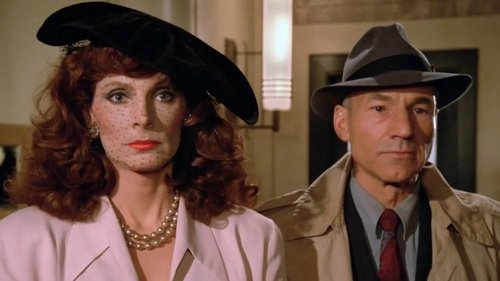
Seeking a much-needed diversion from intense linguistic study, Jean-Luc Picard immerses himself in the newly upgraded holodeck program, 'Dixon Hill, private detective,' a gritty 1940s San Francisco noir simulation.
Captain Picard has been appointed by Starfleet to attempt to establish a relationship with them; however, the captain must recite their complicated greeting to them, in their native tongue, without any errors, or otherwise the meeting will fail.As Whalen's life hangs in the balance, the crew inside the holodeck faces the ruthless mob boss Cyrus Redblock and his thugs, who are also seeking a mysterious 'item.' Jean-Luc Picard, Beverly Crusher, and Data attempt to explain their true nature as Starfleet officers from another time, and that the holograms themselves are merely fictional constructs.
The situation escalates dramatically when Felix Leech, another holographic character, shoots Whalen, causing massive internal bleeding and proving the lethal reality of their predicament.
Riker, Lieutenant Commander Geordi La Forge, and Ensign Wesley Crusher race against time to repair the holodeck malfunction.
This final interaction underscores the episode's central theme of the blurred lines between reality and illusion, and the ethical implications of creating increasingly sophisticated artificial intelligences and environments within Starfleet's advanced holographic technology.
Mission Registries & Linkages
Subspace Playlists
This registry lists all curated subspace playlists and chronological collections containing this mission.
[ NO ASSOCIATED PLAYLISTS RECORDED ]
Technology
This registry contains all specialized technologies deployed, analyzed, or referenced during this mission.
Location
This registry displays all celestial bodies, planets, starbases, or coordinates charted or visited during this mission.
Starship
This registry lists all vessels encountered, scanned, or active during this mission.
Species & Factions
This registry documents all species, civilizations, and organizational factions contacted or active in this sector during the mission.
Culture & Lore
This registry outlines historical events, cultural traditions, organizations, and database lore referenced during this mission.
Production & Archival Linkages
This registry documents behind-the-scenes production references, draft concepts, star charts, or archival cataloging links officially connected to this mission.
"Tormé and Scanlan together suggested filming the 1940s scenes in black and white. Rick Berman and Robert H. Justman disagreed, arguing that the holodeck could not change the appearance of the crew. (, 3rd ed., p.45) The Captain Proton program, seen in several episodes of , later indeed showed characters in black and white, however, Voyager was a more advanced ship."
"This episode marks the first – of many – holodeck malfunction episodes in Star Trek. At one point, this episode had been scheduled for production after . If this had indeed happened, the computer modifications of the Bynars would have served to explain the holodeck malfunctions in this episode. ()"
""He's on ice.""
Continuity & Trivia
-
"The Big Goodbye" was the first Star Trek episode, and indeed the first television program ever, to win a prestigious Peabody Award for its excellence.
-
The positive reception to this episode's unique exploration of the holodeck's capabilities directly led to its increased prominence in Star Trek: The Next Generation and subsequent series like Deep Space Nine and Voyager.
-
Captain Picard's Dixon Hill character is a clear homage to the hard-boiled detective archetype, particularly reminiscent of Raymond Chandler's iconic character, Philip Marlowe.
-
Gene Roddenberry initially conceived a detective story on the holodeck, with writer Tracy Tormé enriching the script with numerous film noir elements inspired by his passion for the genre.Sources: Memory Alpha
-
The character Dixon Hill was originally named "Dixon Steele" as an homage to a Humphrey Bogart movie, but the name was changed to avoid confusion with the popular television series Remington Steele.Sources: Memory Alpha
-
Wil Wheaton remarked that "The Big Goodbye" was the cast's favorite episode to shoot at the time, as they thoroughly enjoyed playing a period piece and felt the actors and their characters were truly gelling.Sources: Memory Alpha
-
Budget constraints unfortunately led to the cutting of the Jarada aliens from the episode, despite writer Tracy Tormé having developed a detailed hive mind culture and a "wasp-like" appearance for them.Sources: Memory Alpha
-
This episode marks the first time in Star Trek continuity that holographic characters within a holodeck program gain awareness of their artificial nature.Sources: Memory Alpha