Mission Briefing
Nog's impending departure for Starfleet Academy prompts a traditional Ferengi auction on Deep Space Nine, much to Quark's chagrin. Quark, Rom, and Nog embark on a shakedown cruise in a new shuttle, 'Quark's Treasure,' gifted by their cousin Gaila, with Quark secretly planning to smuggle kemocite. However, Gaila's sabotage of the ship's command sequencer sends them hurtling uncontrollably towards Earth. Rom's desperate attempt to avert disaster by reacting the kemocite with plasma from the warp core forces an emergency landing, but not in their own time. The trio crash-lands in 1947 Roswell, New Mexico, where they are captured by the US Army, who mistake them for 'Martians.' Their malfunctioning universal translators lead to comical misunderstandings as the Humans attempt to communicate, while Quark, ever the entrepreneur, sees an opportunity to exploit the 'primitive' 20th-century Earthlings.
LCARS Tactical Mission Registry: A detailed reconstruction of chronological events and narrative progression compiled from historical logs and mission briefs.
The episode 'Little Green Men' opens on Deep Space Nine with a traditional Ferengi auction, where Nog is selling his childhood possessions to raise capital for his upcoming enrollment at Starfleet Academy. Rom, Nog's father, enthusiastically supports his son, even haggling over the price of Nog's pajamas. Miles O'Brien and Worf observe, with Worf expressing skepticism about a Ferengi attending the Academy, a sentiment O'Brien counters by reminding him of the initial resistance to Klingons in Starfleet. Captain Benjamin Sisko, who sponsored Nog's application, encourages them to participate. Quark, however, is irritated by Nog's Starfleet aspirations and interrupts the sale, ordering Rom to inspect a new shuttle, 'Quark's Treasure,' gifted by their cousin Gaila, who owes Quark for a past loan that helped establish Gaila's munitions consortium. Rom finds the ship in perfect condition, prompting Quark to plan a shakedown cruise to Earth, intending to smuggle kemocite along the way, with Rom and Nog reluctantly agreeing to a cut of the profits. Before their departure, Jake Sisko, Julian Bashir, and Miles O'Brien present Nog with a PADD containing extensive information about Earth, while Jadzia Dax and Kira Nerys express concern about the trio's journey.
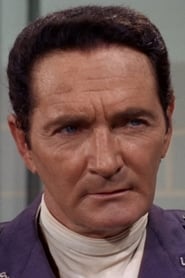
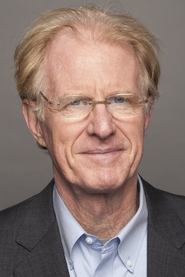
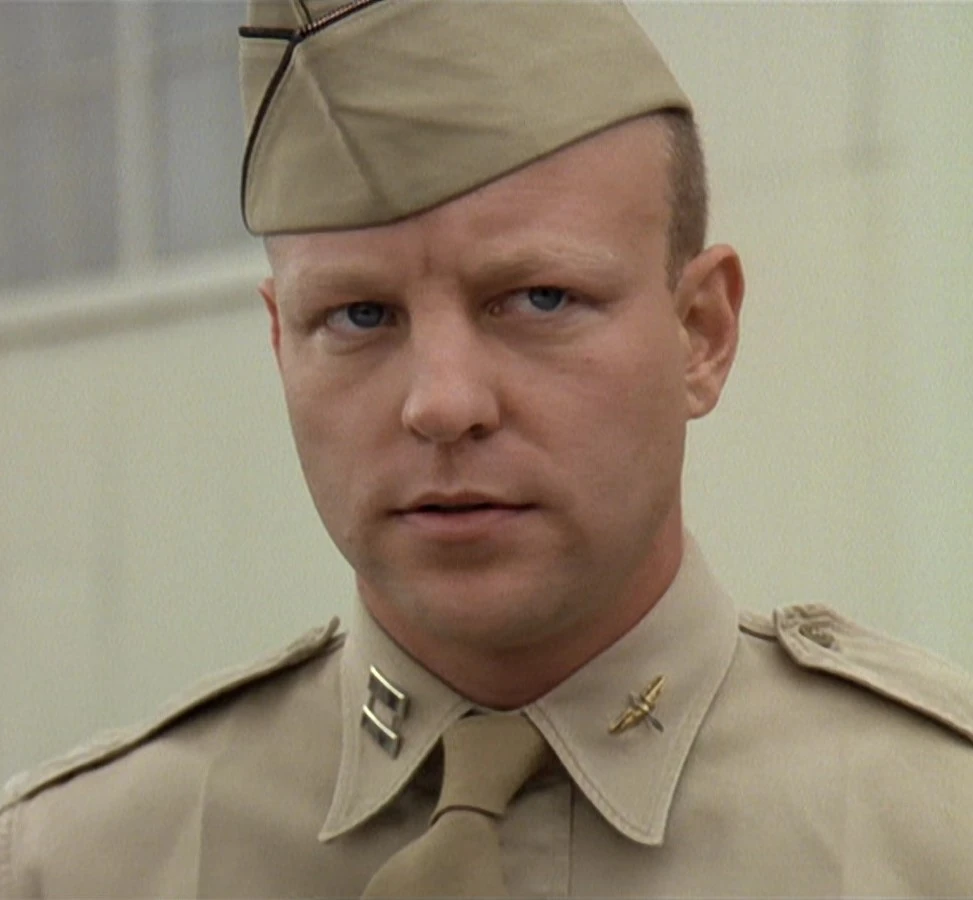
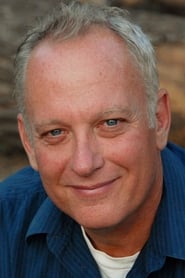
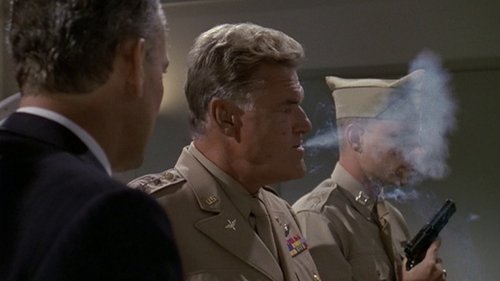
As 'Quark's Treasure' approaches Earth, Nog, engrossed in his PADD, notes the resemblance between Gabriel Bell from the Bell Riots and Captain Benjamin Sisko. Suddenly, the ship's command sequencer is disabled, a deliberate sabotage by Gaila, preventing the warp drive from shutting down. Rom devises a dangerous plan: vent plasma from the warp core into the cargo hold to react with the kemocite, creating an inversion wave to force the ship out of warp and allow an emergency landing near Earth. The plan works, but the ship crashes, and Quark, Rom, and Nog awaken in what appears to be a laboratory, covered in sheets. They soon realize they are in a 1947 US Army military base in Roswell, New Mexico, having traveled back in time approximately four hundred years. US Army officers, including Lieutenant General Denning, Captain Wainwright, Professor Jeff Carlson, and Nurse Faith Garland, observe them through a two-way mirror, believing them to be 'Martians' and fearing a nationwide panic if their existence is revealed. The Ferengi's universal translators are malfunctioning due to beta radiation from nuclear fission, leading to comical misunderstandings as the Humans mimic the Ferengi's attempts to fix their devices, mistaking them for greetings.
The Humans conduct medical tests on the Ferengi, with Nurse Faith Garland noting their non-Human physiology. Rom deduces the interference is from nuclear fission, and Nog explains that 20th-century Humans used 'atom bombs,' polluting their own planet. Quark, ever the opportunist, sees the primitive Humans as gullible and ripe for exploitation. Professor Jeff Carlson and Nurse Faith Garland discuss the potential for Human advancement through contact with the 'Martians,' with Garland expressing a hopeful vision of mankind exploring the Milky Way Galaxy and joining a 'vast alliance of planets.' Quark, overhearing their conversation, begins to formulate a plan to exploit the situation. He attempts to negotiate with Lieutenant General Denning, offering advanced Ferengi technology—starships, transporters, medicine, replicators, and weapons—in exchange for gold. Denning, however, is suspicious, comparing Quark to a 'used car salesman' and refusing to make a deal without presidential clearance, especially after Quark threatens to take his 'business' to the Russians. Quark, drawing on his knowledge of Earth history from Deep Space Nine, impresses Denning with references to baseball, root beer, darts, and atom bombs, urging him to consult President Harry S. Truman.
Back in the examination room, Rom and Nog continue to interact with Professor Jeff Carlson and Nurse Faith Garland, with Nog subtly manipulating Garland into giving him 'oo-mox.' Suddenly, the German Shepherd that had been in the room morphs into Odo, who reveals he stowed away on 'Quark's Treasure' to arrest Quark for kemocite smuggling. Odo informs them that the ship, though damaged, is functional and located in Hangar 18. Rom quickly devises a plan to use the remaining kemocite and a powerful energy source to trigger a temporal surge and return them to their own time. Quark, however, vehemently opposes this, envisioning a future where he manipulates 20th-century Humans, sells warp drive technology to the Ferengi homeworld centuries before other Alpha Quadrant powers, and establishes an economic empire surpassing even Grand Nagus Zek. Odo dismisses Quark's fantasy, insisting they will return to their own time. As Lieutenant General Denning's orders to learn more about the 'Martians' intensify, Quark, Rom, and Nog are forcibly taken to an interrogation room, where Captain Wainwright threatens them with a scalpel after Sodium Pentathol proves ineffective. Rom, terrified, breaks down and reveals they are from the future, while Nog, to the captain's alarm, fabricates a story about a Ferengi invasion fleet, complete with three hundred Marauder-class attack cruisers and Klingon shock troops targeting the Great Lakes region.
Nog's elaborate invasion story, intended to buy time, convinces Captain Wainwright, who orders him untied to point out the 'landing zone' on a map. Nog seizes the opportunity, incapacitating Wainwright and an MP. Professor Jeff Carlson and Nurse Faith Garland, realizing the military's brutality is escalating, intervene, knocking out the remaining MP and Wainwright, and untying Quark. They agree to help the Ferengi escape, with Quark quickly attributing their assistance to 'insidious mind control powers.' As they flee towards Hangar 18, Lieutenant General Denning and two MPs confront them. Quark attempts to use Nurse Faith Garland as a hostage, threatening them with his 'death ray' (his finger), but Odo, shape-shifted from a Jeep's spare wheel, subdues the general and MPs. They commandeer a Jeep and reach the hangar, where Professor Jeff Carlson informs them an atomic blast is scheduled in seven minutes at the Nevada Proving Ground. Rom explains their escape plan: fly directly into the atomic blast, expose the kemocite to beta radiation, and engage the warp engines to create a reverse time warp. Nurse Faith Garland expresses her hope for mankind's future among the stars, which Rom corrects to 'Federation of Planets' before Quark silences him. The Ferengi and Odo successfully execute Rom's plan, materializing back in Earth orbit in their own time. Back on Deep Space Nine, Quark laments his lost opportunity for galactic domination, while Odo arrests him for kemocite smuggling, a charge Quark dismisses due to the kemocite being used for their return. Rom promises to contact cousin Gaila for a lawyer, leaving Quark frustrated.
LCARS Tactical Mission Log: Chronological action logs detailing exactly what each character did during the events of this mission, linked directly to personnel dossiers.




Subspace Visual Feed
Sensors & Diagnostic Metrics
Visual Sensor Logs


Synaptic Lore Link Contexts
However, a malfunctioning Ferengi Marauder catapults them nearly 400 years into the past, crash-landing in Roswell, New Mexico, 1947!
Rom tells the assembled crowd that Nog will soon be heading off to Starfleet Academy, and, as is Ferengi tradition, is selling off his childhood possessions to raise capital.
With their advanced technology confiscated and their lives on the line, the Ferengi must use every ounce of their cunning—and Rom's unexpected brilliance—to repair their ship, avoid temporal contamination, and escape before they rewrite Starfleet history entirely.
The general looks in Quark's ear with a flashlight and says he sees no universal translator; Quark says trust me, it is in there.
He grabs a scalpel and threatens to cut Quark open if he doesn't tell him what he wants to hear.As Lieutenant General Denning's orders to learn more about the 'Martians' intensify, Quark, Rom, and Nog are forcibly taken to an interrogation room, where Captain Wainwright threatens them with a scalpel after Sodium Pentathol proves ineffective.
As 'Quark's Treasure' approaches Earth, Nog, engrossed in his PADD, notes the resemblance between Gabriel Bell from the Bell Riots and Captain Benjamin Sisko.
Rom deduces the interference is from nuclear fission, and Nog explains that 20th-century Humans used 'atom bombs,' polluting their own planet.
Quark, however, vehemently opposes this, envisioning a future where he manipulates 20th-century Humans, sells warp drive technology to the Ferengi homeworld centuries before other Alpha Quadrant powers, and establishes an economic empire surpassing even Grand Nagus Zek.
The Ferengi's universal translators are malfunctioning due to beta radiation from nuclear fission, leading to comical misunderstandings as the Humans mimic the Ferengi's attempts to fix their devices, mistaking them for greetings.
Miles O'Brien and Worf observe, with Worf expressing skepticism about a Ferengi attending the Academy, a sentiment O'Brien counters by reminding him of the initial resistance to Klingons in Starfleet.
Professor Jeff Carlson and Nurse Faith Garland discuss the potential for Human advancement through contact with the 'Martians,' with Garland expressing a hopeful vision of mankind exploring the Milky Way Galaxy and joining a 'vast alliance of planets.' Quark, overhearing their conversation, begins to formulate a plan to exploit the situation.
He attempts to negotiate with Lieutenant General Denning, offering advanced Ferengi technology—starships, transporters, medicine, replicators, and weapons—in exchange for gold.
Quark, drawing on his knowledge of Earth history from Deep Space Nine, impresses Denning with references to baseball, root beer, darts, and atom bombs, urging him to consult President Harry S.
He attempts to negotiate with Lieutenant General Denning, offering advanced Ferengi technology—starships, transporters, medicine, replicators, and weapons—in exchange for gold.
The Ferengi's universal translators are malfunctioning due to beta radiation from nuclear fission, leading to comical misunderstandings as the Humans mimic the Ferengi's attempts to fix their devices, mistaking them for greetings.
Rom devises a dangerous plan: vent plasma from the warp core into the cargo hold to react with the kemocite, creating an inversion wave to force the ship out of warp and allow an emergency landing near Earth.
Suddenly, the ship's command sequencer is disabled, a deliberate sabotage by Gaila, preventing the warp drive from shutting down.
Mission Registries & Linkages
Subspace Playlists
This registry lists all curated subspace playlists and chronological collections containing this mission.
Technology
This registry contains all specialized technologies deployed, analyzed, or referenced during this mission.
Location
This registry displays all celestial bodies, planets, starbases, or coordinates charted or visited during this mission.
Starship
This registry lists all vessels encountered, scanned, or active during this mission.
[ NO STARSHIPS REGISTERED ]
Species & Factions
This registry documents all species, civilizations, and organizational factions contacted or active in this sector during the mission.
Culture & Lore
This registry outlines historical events, cultural traditions, organizations, and database lore referenced during this mission.
Production & Archival Linkages
This registry documents behind-the-scenes production references, draft concepts, star charts, or archival cataloging links officially connected to this mission.
"Quark offers to teach the 20th-century Humans how to make advanced weapons, including photon torpedoes and quantum torpedoes, as part of his trade proposition, showcasing the technological leap he proposes."
"As part of his sales pitch to Lieutenant General Denning, Quark offers to provide the technology for quantum torpedoes, describing them as 'a little more expensive, but worth it,' demonstrating the advanced weaponry he could introduce to 20th-century Earth."
"Quark offers the 20th-century Humans replicator technology, promising machines that can produce food and clothing out of thin air, highlighting the transformative potential of future technology."
"The malfunctioning universal translators are a key plot device, creating a communication barrier between the Ferengi and the 20th-century Humans. This leads to humorous misunderstandings and forces the Ferengi to observe Human behavior more closely."
"The Ferengi shuttle's warp drive is central to their accidental time travel and Rom's plan to return. Quark's scheme to sell warp drive technology to 1947 Ferengi highlights the significant technological disparity between the 20th and 24th centuries and the potential for timeline disruption."
"Based on Quark's line "Once we get things in order here, we'll contact the Ferengi homeworld and sell them our ship. The Ferengi will have warp drive technology centuries before Humans or Klingons or even the Vulcans.", it is established that Qo'noS and had not yet become warp-capable by 1947. However, in (released a year after "Little Green Men" aired) it was established that Humans would achieve warp drive in only another 116 years from 1947, so not exactly "centuries" later. It was also established in that Vulcans had warp-capable ships only ten years later. Moreover, it has been established in several episodes that Vulcans and Klingons possessed interstellar travel capability long before 1947. Based on , the first known instance of Vulcan interstellar travel was around 850 BC, when the Vulcan Sanctuary of P'Jem was built on the planet P'Jem, outside the Vulcan system. According to , the Klingon monastery in the star system with the planet Boreth was built shortly after the death of Kahless. According to the third season episode , Kahless lived in the 9th century. It has however not been established what propulsion technology was used for interstellar travel on these early voyages. That Quark may have been inaccurate with his "centuries" statement might however indicate he was also inaccurate about the fact that Vulcans and Klingons were not yet warp-capable; he would presumably know approximately when his people acquired warp drive, but might know little about Klingon history. Nevertheless, there are two suggestions in canon that Quark may be wrong. The first lies in Soval's statement in that "it took my people nearly 1,500 years to rebuild our world and travel to the stars. You Humans did the same in less than a century"; since Humans didn't "travel to the stars" until they invented warp drive, if Vulcans "did the same" in 1,500 years from the time of Surak, that would mean they developed warp drive in the mid-19th century. The second suggestion comes from , where it is stated that it took Vulcan a hundred years after the invention of warp drive to break the warp 2 barrier. Counting from 1947 or later this would imply that Vulcans became warp 2-capable in the mid-21st century, i.e., around the same time as Humans became warp-capable."
"Earth is the intended destination for Nog's journey to Starfleet Academy and the accidental crash site for Quark, Rom, and Nog in 1947. The episode explores 20th-century Earth culture and history through the eyes of the time-traveling Ferengi."
"Based on Quark's line "Once we get things in order here, we'll contact the Ferengi homeworld and sell them our ship. The Ferengi will have warp drive technology centuries before Humans or Klingons or even the Vulcans.", it is established that Qo'noS and had not yet become warp-capable by 1947. However, in (released a year after "Little Green Men" aired) it was established that Humans would achieve warp drive in only another 116 years from 1947, so not exactly "centuries" later. It was also established in that Vulcans had warp-capable ships only ten years later. Moreover, it has been established in several episodes that Vulcans and Klingons possessed interstellar travel capability long before 1947. Based on , the first known instance of Vulcan interstellar travel was around 850 BC, when the Vulcan Sanctuary of P'Jem was built on the planet P'Jem, outside the Vulcan system. According to , the Klingon monastery in the star system with the planet Boreth was built shortly after the death of Kahless. According to the third season episode , Kahless lived in the 9th century. It has however not been established what propulsion technology was used for interstellar travel on these early voyages. That Quark may have been inaccurate with his "centuries" statement might however indicate he was also inaccurate about the fact that Vulcans and Klingons were not yet warp-capable; he would presumably know approximately when his people acquired warp drive, but might know little about Klingon history. Nevertheless, there are two suggestions in canon that Quark may be wrong. The first lies in Soval's statement in that "it took my people nearly 1,500 years to rebuild our world and travel to the stars. You Humans did the same in less than a century"; since Humans didn't "travel to the stars" until they invented warp drive, if Vulcans "did the same" in 1,500 years from the time of Surak, that would mean they developed warp drive in the mid-19th century. The second suggestion comes from , where it is stated that it took Vulcan a hundred years after the invention of warp drive to break the warp 2 barrier. Counting from 1947 or later this would imply that Vulcans became warp 2-capable in the mid-21st century, i.e., around the same time as Humans became warp-capable."
"Nurse Faith Garland expresses her dream of mankind traveling the Milky Way Galaxy, 'exploring new worlds and new civilizations,' encapsulating the optimistic spirit of future Human exploration that Starfleet embodies."
"Based on Quark's line "Once we get things in order here, we'll contact the Ferengi homeworld and sell them our ship. The Ferengi will have warp drive technology centuries before Humans or Klingons or even the Vulcans.", it is established that Qo'noS and had not yet become warp-capable by 1947. However, in (released a year after "Little Green Men" aired) it was established that Humans would achieve warp drive in only another 116 years from 1947, so not exactly "centuries" later. It was also established in that Vulcans had warp-capable ships only ten years later. Moreover, it has been established in several episodes that Vulcans and Klingons possessed interstellar travel capability long before 1947. Based on , the first known instance of Vulcan interstellar travel was around 850 BC, when the Vulcan Sanctuary of P'Jem was built on the planet P'Jem, outside the Vulcan system. According to , the Klingon monastery in the star system with the planet Boreth was built shortly after the death of Kahless. According to the third season episode , Kahless lived in the 9th century. It has however not been established what propulsion technology was used for interstellar travel on these early voyages. That Quark may have been inaccurate with his "centuries" statement might however indicate he was also inaccurate about the fact that Vulcans and Klingons were not yet warp-capable; he would presumably know approximately when his people acquired warp drive, but might know little about Klingon history. Nevertheless, there are two suggestions in canon that Quark may be wrong. The first lies in Soval's statement in that "it took my people nearly 1,500 years to rebuild our world and travel to the stars. You Humans did the same in less than a century"; since Humans didn't "travel to the stars" until they invented warp drive, if Vulcans "did the same" in 1,500 years from the time of Surak, that would mean they developed warp drive in the mid-19th century. The second suggestion comes from , where it is stated that it took Vulcan a hundred years after the invention of warp drive to break the warp 2 barrier. Counting from 1947 or later this would imply that Vulcans became warp 2-capable in the mid-21st century, i.e., around the same time as Humans became warp-capable."
"Based on Quark's line "Once we get things in order here, we'll contact the Ferengi homeworld and sell them our ship. The Ferengi will have warp drive technology centuries before Humans or Klingons or even the Vulcans.", it is established that Qo'noS and had not yet become warp-capable by 1947. However, in (released a year after "Little Green Men" aired) it was established that Humans would achieve warp drive in only another 116 years from 1947, so not exactly "centuries" later. It was also established in that Vulcans had warp-capable ships only ten years later. Moreover, it has been established in several episodes that Vulcans and Klingons possessed interstellar travel capability long before 1947. Based on , the first known instance of Vulcan interstellar travel was around 850 BC, when the Vulcan Sanctuary of P'Jem was built on the planet P'Jem, outside the Vulcan system. According to , the Klingon monastery in the star system with the planet Boreth was built shortly after the death of Kahless. According to the third season episode , Kahless lived in the 9th century. It has however not been established what propulsion technology was used for interstellar travel on these early voyages. That Quark may have been inaccurate with his "centuries" statement might however indicate he was also inaccurate about the fact that Vulcans and Klingons were not yet warp-capable; he would presumably know approximately when his people acquired warp drive, but might know little about Klingon history. Nevertheless, there are two suggestions in canon that Quark may be wrong. The first lies in Soval's statement in that "it took my people nearly 1,500 years to rebuild our world and travel to the stars. You Humans did the same in less than a century"; since Humans didn't "travel to the stars" until they invented warp drive, if Vulcans "did the same" in 1,500 years from the time of Surak, that would mean they developed warp drive in the mid-19th century. The second suggestion comes from , where it is stated that it took Vulcan a hundred years after the invention of warp drive to break the warp 2 barrier. Counting from 1947 or later this would imply that Vulcans became warp 2-capable in the mid-21st century, i.e., around the same time as Humans became warp-capable."
"This episode is a favorite of Armin Shimerman, who comments, "It's a favorite of the fans, it's a favorite of mine. It was a major catalyst in the investigation of the family relationship. It's one of the first episode where we see the Ferengi working together as a family, and that was the beginning of an avalanche of stories about that. It was a delight to work because the writers gave me wonderful, I can't put this any other way, Spock-like comments, where I'm outside of Humanity, as a Ferengi, and talking about how they act, having some point of view about what they do right, what they do wrong, and letting them know about it. There were more episodes where that happened, but "Little Green Men" was perhaps the most delightful. It also gave Quark a ship. It was the only time I got to captain a ship, even for a brief moment in time, but for a Star Trek actor, those little things can be very important." (Hidden File 02, DS9 Season 4 DVD special features)"
"Based on Quark's line "Once we get things in order here, we'll contact the Ferengi homeworld and sell them our ship. The Ferengi will have warp drive technology centuries before Humans or Klingons or even the Vulcans.", it is established that Qo'noS and had not yet become warp-capable by 1947. However, in (released a year after "Little Green Men" aired) it was established that Humans would achieve warp drive in only another 116 years from 1947, so not exactly "centuries" later. It was also established in that Vulcans had warp-capable ships only ten years later. Moreover, it has been established in several episodes that Vulcans and Klingons possessed interstellar travel capability long before 1947. Based on , the first known instance of Vulcan interstellar travel was around 850 BC, when the Vulcan Sanctuary of P'Jem was built on the planet P'Jem, outside the Vulcan system. According to , the Klingon monastery in the star system with the planet Boreth was built shortly after the death of Kahless. According to the third season episode , Kahless lived in the 9th century. It has however not been established what propulsion technology was used for interstellar travel on these early voyages. That Quark may have been inaccurate with his "centuries" statement might however indicate he was also inaccurate about the fact that Vulcans and Klingons were not yet warp-capable; he would presumably know approximately when his people acquired warp drive, but might know little about Klingon history. Nevertheless, there are two suggestions in canon that Quark may be wrong. The first lies in Soval's statement in that "it took my people nearly 1,500 years to rebuild our world and travel to the stars. You Humans did the same in less than a century"; since Humans didn't "travel to the stars" until they invented warp drive, if Vulcans "did the same" in 1,500 years from the time of Surak, that would mean they developed warp drive in the mid-19th century. The second suggestion comes from , where it is stated that it took Vulcan a hundred years after the invention of warp drive to break the warp 2 barrier. Counting from 1947 or later this would imply that Vulcans became warp 2-capable in the mid-21st century, i.e., around the same time as Humans became warp-capable."
"Based on Quark's line "Once we get things in order here, we'll contact the Ferengi homeworld and sell them our ship. The Ferengi will have warp drive technology centuries before Humans or Klingons or even the Vulcans.", it is established that Qo'noS and had not yet become warp-capable by 1947. However, in (released a year after "Little Green Men" aired) it was established that Humans would achieve warp drive in only another 116 years from 1947, so not exactly "centuries" later. It was also established in that Vulcans had warp-capable ships only ten years later. Moreover, it has been established in several episodes that Vulcans and Klingons possessed interstellar travel capability long before 1947. Based on , the first known instance of Vulcan interstellar travel was around 850 BC, when the Vulcan Sanctuary of P'Jem was built on the planet P'Jem, outside the Vulcan system. According to , the Klingon monastery in the star system with the planet Boreth was built shortly after the death of Kahless. According to the third season episode , Kahless lived in the 9th century. It has however not been established what propulsion technology was used for interstellar travel on these early voyages. That Quark may have been inaccurate with his "centuries" statement might however indicate he was also inaccurate about the fact that Vulcans and Klingons were not yet warp-capable; he would presumably know approximately when his people acquired warp drive, but might know little about Klingon history. Nevertheless, there are two suggestions in canon that Quark may be wrong. The first lies in Soval's statement in that "it took my people nearly 1,500 years to rebuild our world and travel to the stars. You Humans did the same in less than a century"; since Humans didn't "travel to the stars" until they invented warp drive, if Vulcans "did the same" in 1,500 years from the time of Surak, that would mean they developed warp drive in the mid-19th century. The second suggestion comes from , where it is stated that it took Vulcan a hundred years after the invention of warp drive to break the warp 2 barrier. Counting from 1947 or later this would imply that Vulcans became warp 2-capable in the mid-21st century, i.e., around the same time as Humans became warp-capable."
"Based on Quark's line "Once we get things in order here, we'll contact the Ferengi homeworld and sell them our ship. The Ferengi will have warp drive technology centuries before Humans or Klingons or even the Vulcans.", it is established that Qo'noS and had not yet become warp-capable by 1947. However, in (released a year after "Little Green Men" aired) it was established that Humans would achieve warp drive in only another 116 years from 1947, so not exactly "centuries" later. It was also established in that Vulcans had warp-capable ships only ten years later. Moreover, it has been established in several episodes that Vulcans and Klingons possessed interstellar travel capability long before 1947. Based on , the first known instance of Vulcan interstellar travel was around 850 BC, when the Vulcan Sanctuary of P'Jem was built on the planet P'Jem, outside the Vulcan system. According to , the Klingon monastery in the star system with the planet Boreth was built shortly after the death of Kahless. According to the third season episode , Kahless lived in the 9th century. It has however not been established what propulsion technology was used for interstellar travel on these early voyages. That Quark may have been inaccurate with his "centuries" statement might however indicate he was also inaccurate about the fact that Vulcans and Klingons were not yet warp-capable; he would presumably know approximately when his people acquired warp drive, but might know little about Klingon history. Nevertheless, there are two suggestions in canon that Quark may be wrong. The first lies in Soval's statement in that "it took my people nearly 1,500 years to rebuild our world and travel to the stars. You Humans did the same in less than a century"; since Humans didn't "travel to the stars" until they invented warp drive, if Vulcans "did the same" in 1,500 years from the time of Surak, that would mean they developed warp drive in the mid-19th century. The second suggestion comes from , where it is stated that it took Vulcan a hundred years after the invention of warp drive to break the warp 2 barrier. Counting from 1947 or later this would imply that Vulcans became warp 2-capable in the mid-21st century, i.e., around the same time as Humans became warp-capable."
"Nog notes that Gabriel Bell from the Bell Riots looked a lot like Captain Sisko, referencing the events of and ."
Continuity & Trivia
-
Andrew Robinson, who famously played Elim Garak throughout Deep Space Nine, directed this episode. This marks one of his several directorial efforts for the series.
-
The episode was directed by James L. Conway, who previously directed the film Hangar 18 about the Roswell incident, and coincidentally, Quark's ship is stored in a facility named Hangar 18.Sources: Memory Alpha
-
The extensive smoking by Human characters was a deliberate commentary on tobacco use in the 1940s, with Ira Steven Behr insisting on its inclusion to honor 1950s B-movies.Sources: Memory Alpha
-
Ira Steven Behr included the atomic bomb saving Quark at the end as a cynical commentary on the trivialization of such weapons in modern cinema, specifically referencing a scene in the film True Lies.Sources: Memory Alpha
-
Charles Napier, who plays General Denning, later appeared in an episode of the Roswell TV series portraying an Army officer who witnessed the 1947 Roswell incident.Sources: Memory Alpha
-
General Denning's reference to President Truman as a 'piano-playing Democrat' marks the only time in Star Trek history that a democratically elected figure is identified by their political party.Sources: Memory Alpha